HISTORICAL 3D MODELS · DIGITAL DOWNLOADS
CARLO CESTRADIGITAL PRODUCTIONS
Home / Modelli CGI / African-II type Amphora
CGI / Modello 3D digitale

African-II type Amphora

Scegli la versione e la licenza più adatte al tuo progetto.

Versioni e licenze disponibili

Choose a product version
Versione selezionata$4.99USD
File ZIP inclusi

I download protetti saranno disponibili dopo l’acquisto.

Condizioni della licenza selezionata

Leggi le condizioni di licenza prima di acquistare. I PDF si aprono in una nuova scheda.

Prodotti digitali. Solo prodotti digitali. Controlla la versione selezionata e la relativa licenza prima dell’acquisto.

Descrizione

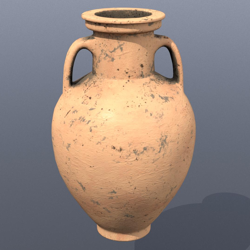
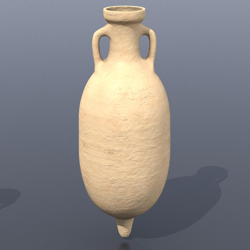
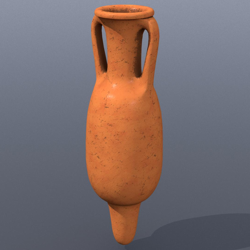
Amphora for the transport of oil and fish sauces produced in Tunisia in the III-V centuries AD.

Specifiche tecniche

FormatoLightwave 2018, OBJ, FBX, Blender 3, glTF
Compatibilità3ds Max, Blender, Cinema4D, Houdini, Lightwave, Maya, Unity, Unreal Engine, Other
Animato / RiggedNo
GeometriaPolygon mesh
Numero di poligoni7792
TexturePBR
Mappatura UVYes

Contesto storico

An African II type amphora (also known as Africana II or Africana Grande) is a large, cylindrical, two-handled shipping container manufactured primarily in Africa Proconsularis (modern-day central Tunisia, specifically the Sahel coastline) during the mid-Roman to Late Antique periods (spanning the 3rd to 5th centuries AD). They represent a critical component of the maritime export infrastructure that supplied the Roman Empire with goods across the Mediterranean.

Key Characteristics
• Physical Profile: These containers are distinguished by their elongated, cylindrical "cigar-shaped" bodies, long necks, stout loop handles attached at the shoulder, and a terminating spike at the base. They typically feature a distinct red fabric often coated in a pale or white outer wash.
• Primary Contents: While exact residue analysis can vary, the Africana II type was overwhelmingly used to transport fish products (salsamenta/garum/fish sauces) and olive oil. Certain subtypes also show evidence of carrying wine or being reused for alternative oils.

Archaeological Significance
These amphorae are incredibly common finds in shipwrecks and ancient Mediterranean ports—particularly at consumer hubs like Rome's ancient port of Ostia—serving as an index for tracking the shifting economic dominance of North African agricultural and industrial production during the later imperial era of Rome.

Informazioni aggiuntive

The object is made of quad polygons only with unwrapped and non-overlapping UV.
Two different sets of textures are included (color, ambient occlusion, roughness, specular, normal and bump) to get the same amphora with two different materials.
Scopri altri modelli

Potrebbero interessarti anche

Vedi la collezione →